Unique service.
Dental Prosthesis
Dental prostheses help you regain self-confidence and enjoy life's pleasures once again.
What is a Dental Prosthesis?
A dental prosthesis is an artificial device used to replace one or more missing teeth. In this way, the chewing function of the teeth is restored, which is crucial for the proper digestion of food. Likewise, they help cut, tear, and grind food into small, manageable pieces that can be swallowed and digested.
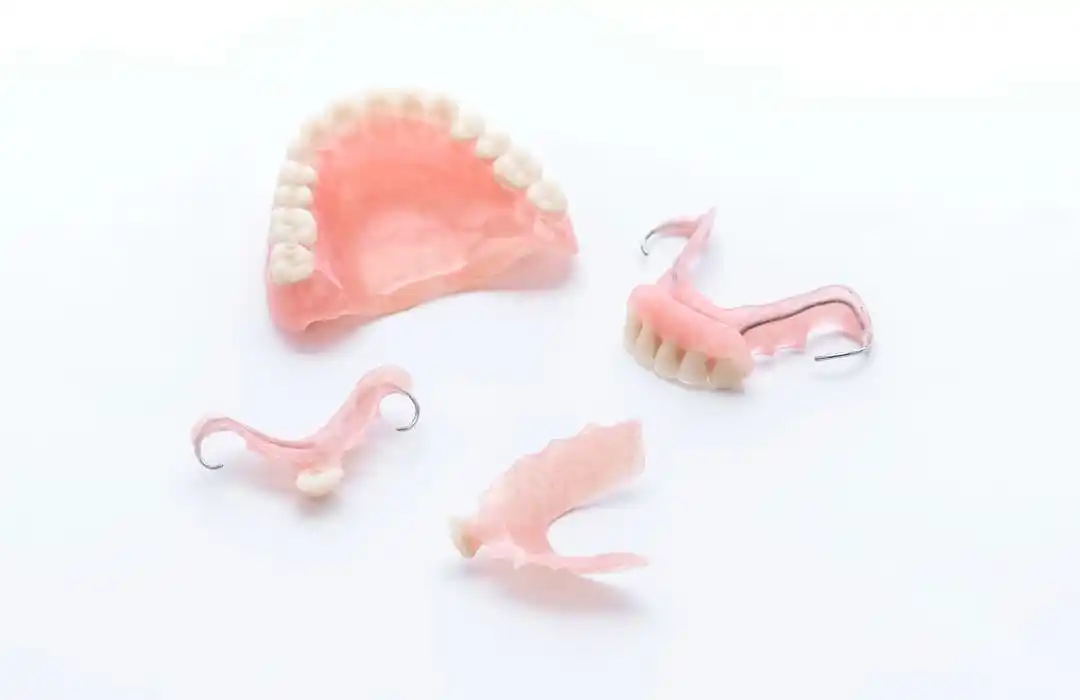
Dental prostheses can be partial or complete, and removable or fixed.
Types of Dental Prostheses
The Removable dental prostheses are those that the patient can remove for cleaning and are suitable for people with partial or total tooth loss. They can be made of rigid or flexible acrylic, with the latter being lighter and softer.
On the other hand, the fixed prostheses are those that are permanently placed in the patient's mouth. They include dental crowns, which are used to cover damaged or weakened teeth. There are also dental bridges, which are used to replace one or more missing teeth and are held in place by adjacent crowns.
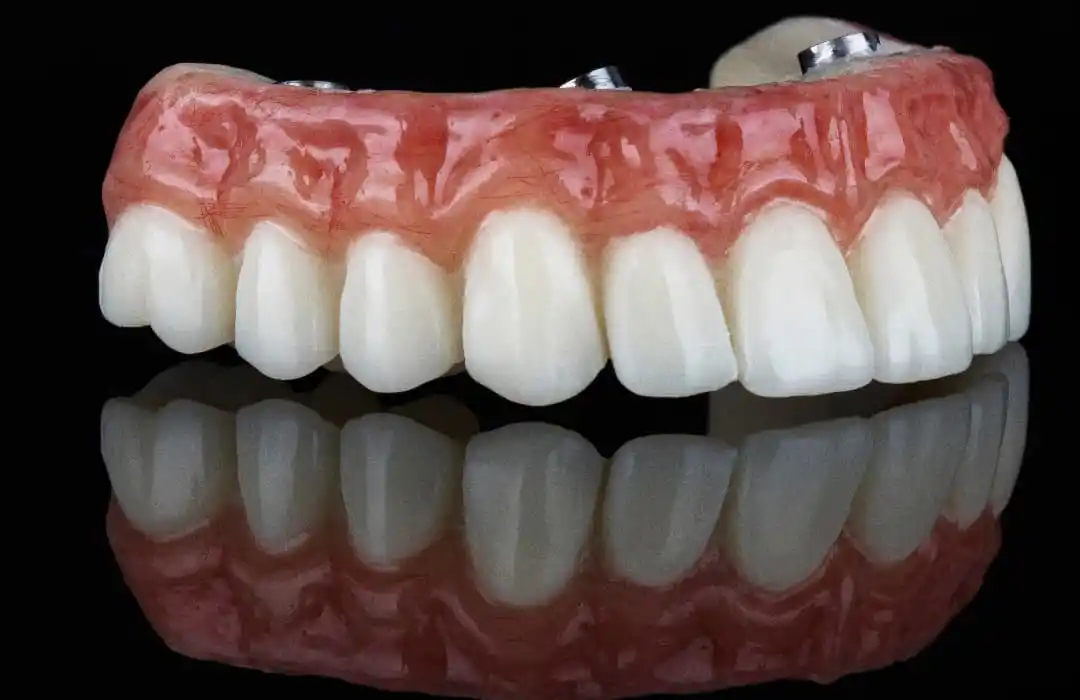
Finally, the full fixed prosthesis on implants are those that are fixed onto dental implants and are considered the most durable and natural option in terms of sensation and appearance. It is important to consult with a dentist to determine which type of prosthesis is the best option for each individual case.
How to choose the right removable dental prosthesis?
When it comes to choosing the right removable dental prosthesis, it is important to consider several factors. Here are some helpful tips to guide you in your decision:
– Consult with your dentist: Before making a decision, you can schedule a consultation at our clinic for your dental prosthesis. Our dentists will assess your dental situation and guide you toward the best removable dental prosthesis option for you.
– Prosthesis material: Removable dental prostheses are made from different materials, such as acrylic or metal. Discuss with your dentist which would be the best option for you, considering factors like durability, comfort, and appearance.
– Fit and stability: It is essential that the removable dental prosthesis, whether upper or lower, fits properly in your mouth and remains stable during speaking and chewing. Your dentist will work on the proper fit to ensure comfort and optimal functionality.
– Aesthetics: While functionality is important, you should also consider the aesthetics of the removable dental prosthesis. Make sure it looks natural and blends with your facial features, giving you an aesthetically pleasing smile.
– Maintenance and cleaning: Find out what special care is required for the removable dental prosthesis you choose. Ask your dentist about the appropriate cleaning products and how to maintain it in good condition over the long term.
Care and Maintenance of Removable Dental Prostheses
Proper care of removable dental prostheses is essential to ensure their durability and optimal function. Here are some tips for the care and maintenance of your removable dental prosthesis:
– Daily cleaning: Wash your removable dental prosthesis after every meal. Use a soft-bristled toothbrush and a denture cleaner recommended by your dentist. Avoid using abrasive toothpastes, as they can damage the surface of the prosthesis.
– Regular soaking: In addition to daily cleaning, it is recommended to soak the removable dental prosthesis in a specific cleaning solution overnight. This will help eliminate bacteria and accumulated debris.
– Proper handling: When removing or placing the removable dental prosthesis, make sure to do it carefully and avoid applying too much pressure. If you have difficulty handling it, consult your dentist for instructions and potential adjustments.
– Proper storage: Cuando no estés usando la prótesis dental removible, guárdala en agua limpia o en una solución adecuada recomendada por tu dentista. Esto evitará que se seque y se deforme.
– Regular check-ups: Schedule regular check-ups with your dentist to check the condition of your removable dental prosthesis and make adjustments if needed. It's also an opportunity for your dentist to evaluate your overall oral health.
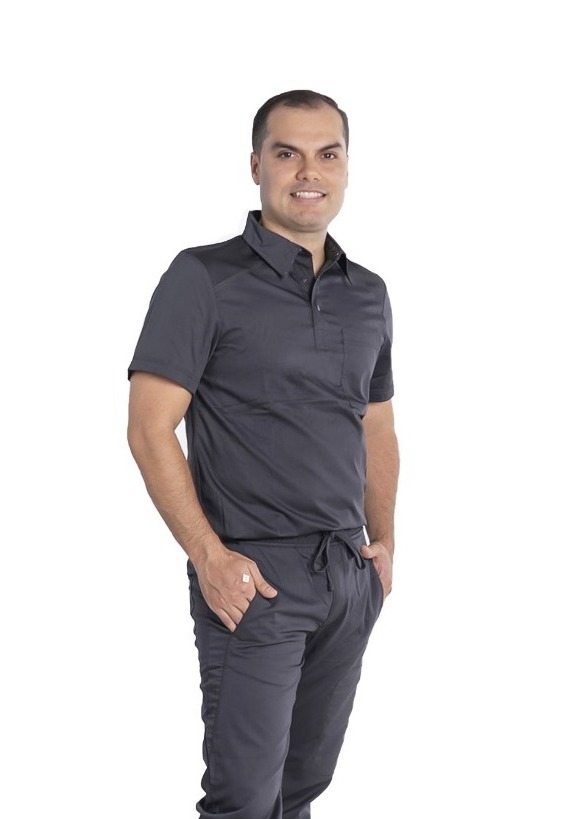
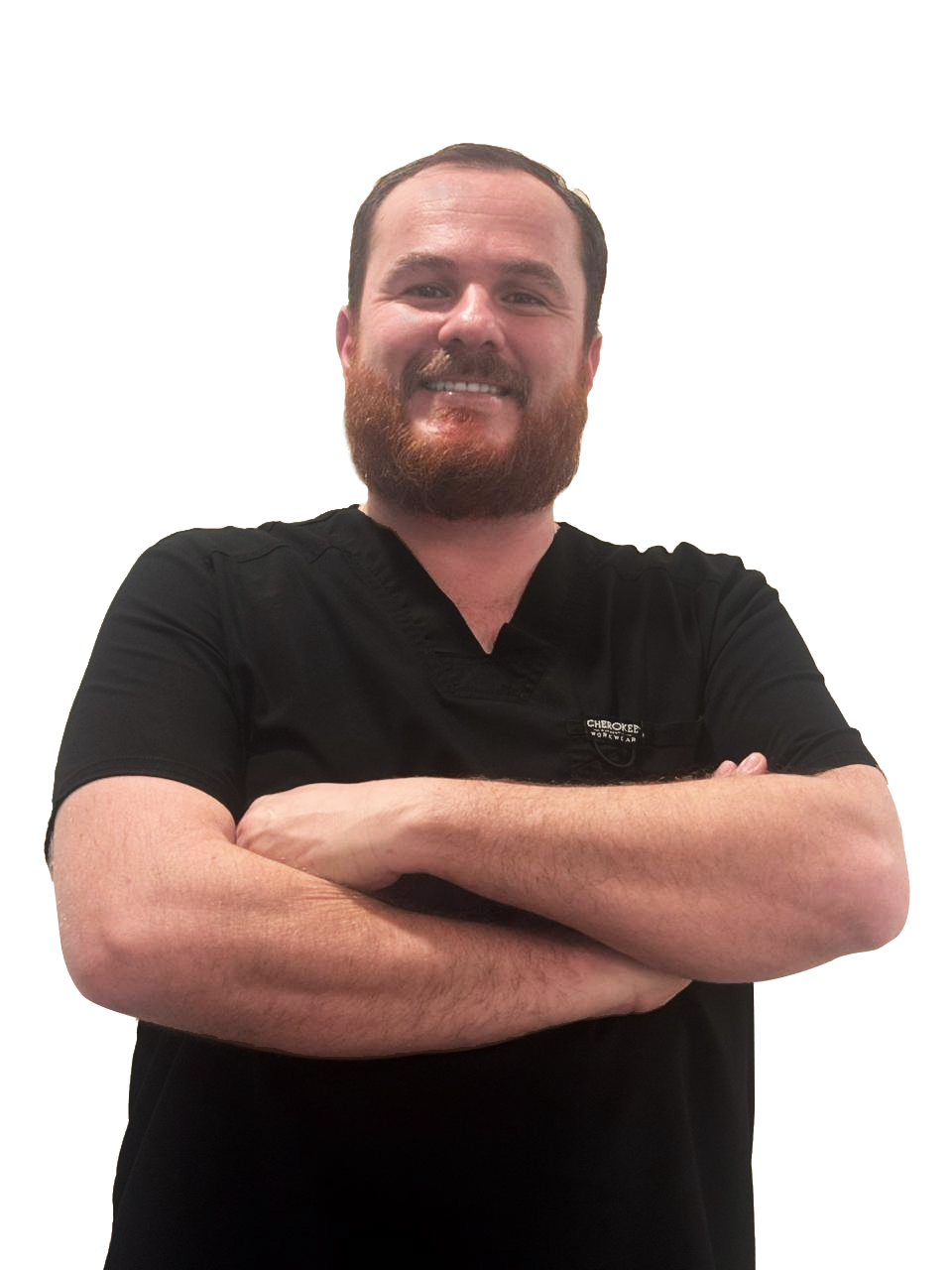
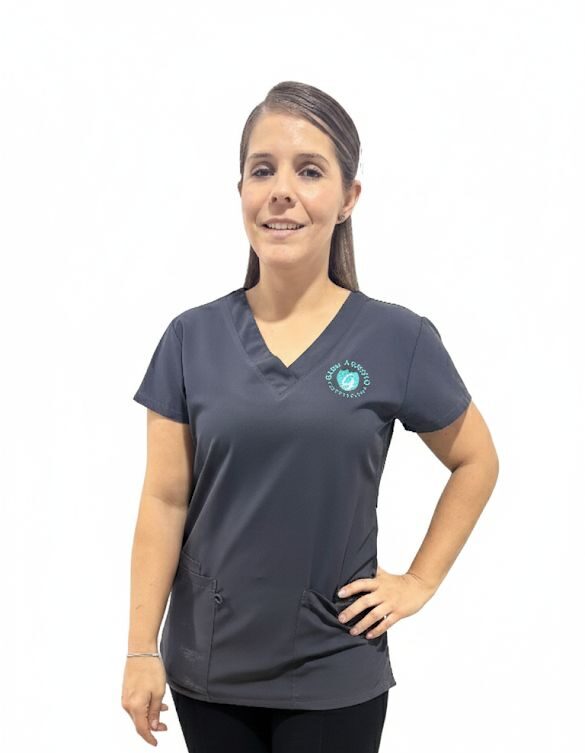
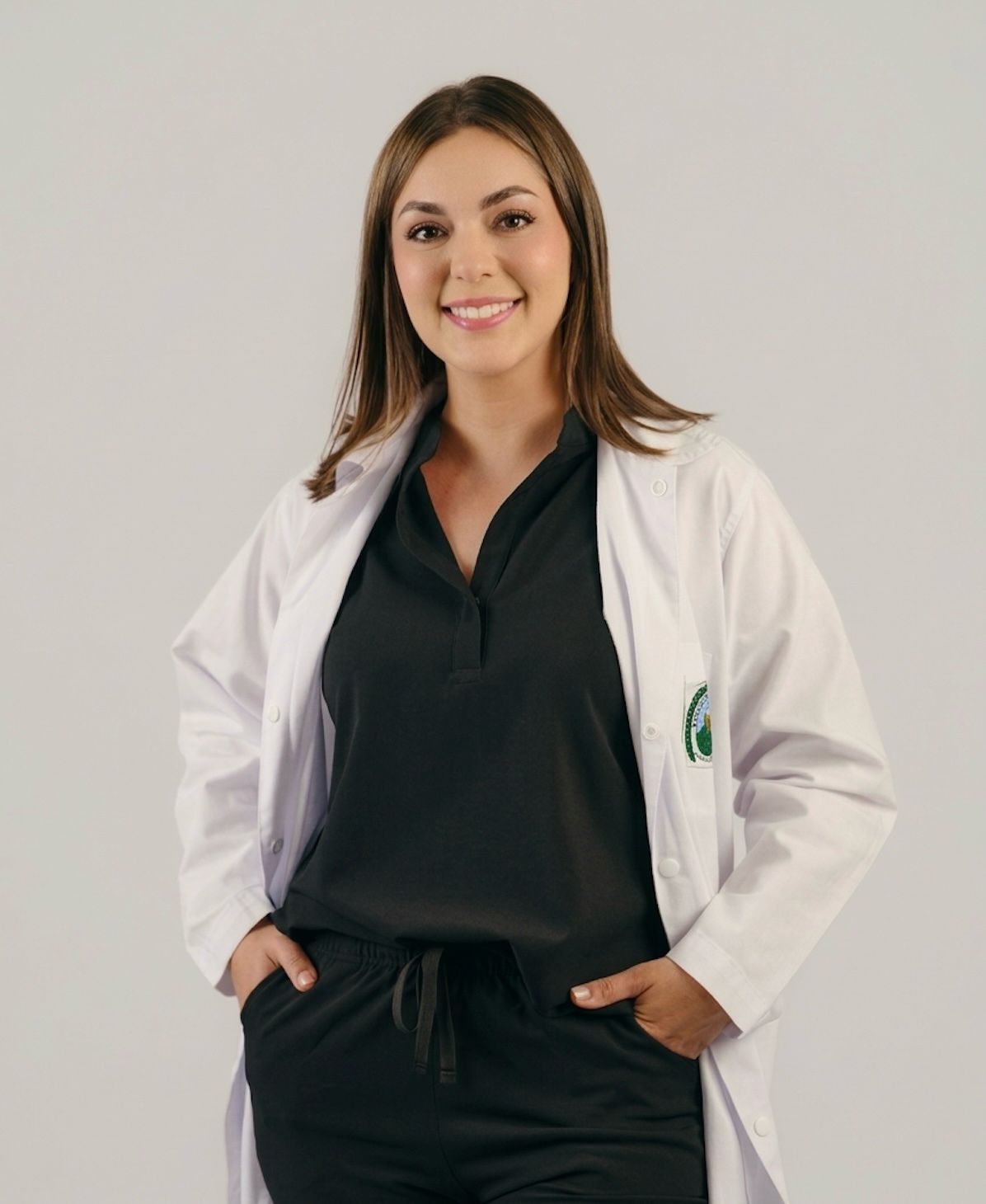
Our best specialists
Orthodontic Plans
More than smiles, we care for your overall well-being.
Monthly Payment: $50 USD Dollars
- Monthly payment $50 Dollars
- No down payment
– Top placement $80 Dollars
– Lower $80 Dollars
- A radiographic study is required.
Metal Braces
Characteristics
- They are the most common brackets, made of steel.
- They move the teeth with the help of arches and elastics.
– Pros: Effective, durable, affordable.
– Cons: They are very visible.
Down payment: $700 USD Monthly Payment: $70 USD.
Down payment: $800 USD Monthly payment: $70 USD.
Down payment: $600 USD Monthly payment: $70 USD.
- The payment of the premium can be split into two payments.
- This type of bracket does not use modules (colored ligatures).
The patient must attend with the orthodontic package already completed beforehand.
Monthly payment $60 Dollars
Self-ligating Brackets
Characteristics
- They don't use elastics; they have their own locking system.
- Faster and more comfortable tooth movement.
– Pros: Fewer visits to the dentist, more hygienic.
– Cons: More expensive than metal brackets.
Cost Total: $1800 dollars
- Complete initial treatment for $1800 dollars
– $150 dollars per month - Down payment: $800 Dollars
- Duration of 6 to 8 months
Invisalign Aligners
Characteristics
– Clear, removable trays (like Invisalign).
– They are changed every 1-2 weeks to align the teeth.
– Pros: Aesthetic, comfortable, removable.
– Cons: They require discipline and are not suitable for all cases.
$600 Dollars Down payment
Monthly payment $60 Dollars
Characteristics
– They are transparent, made of sapphire crystal.
– They work the same as metal braces.
– Pros: Aesthetic, almost invisible.
– Cons: More fragile and expensive.
Minimum age: From 6 years old onwards.
One-time down payment: $140 Dollars
Monthly fee: $50 Dollars
Orthodontics for Children
Characteristics
– It is used to guide dental and bone development.
– May include removable appliances or brackets.
– Pros: Correct problems in time.
– Cons: It depends on the care and commitment of the child.